SQLite is underrated. I’ve used it for high traffic systems with no issues. If your system has a large number of readers and a small number of writers, it performs very well. It’s not as good for high-concurrency write-heavy use cases, but that’s not common (most apps read far more than they write).
My use case was a DB that was created during the build process, then read on every page load.
One of SQLite’s recommended use cases is as an alternate to proprietary binary formats: https://sqlite.org/appfileformat.html. Programs often store data in binary files for performance, but you get a lot of the same functionality included with SQLite (fast random access, concurrent usage, atomicity, updates that don’t need to rewrite the whole file, etc) without having to implement a file format yourself.
I’m not sure if this is still the case, but Facebook’a HHVM used to store the compiled bytecode for the whole site in a single SQLite database: https://docs.hhvm.com/docs/hhvm/advanced-usage/repo-authoritative/. Every pageload loaded the bytecode for all required files from the DB.


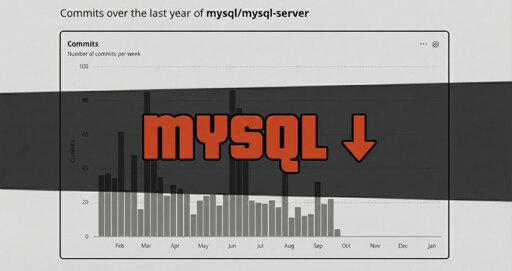
Hell, even SQLite is good enough for most small projects.
SQLite is underrated. I’ve used it for high traffic systems with no issues. If your system has a large number of readers and a small number of writers, it performs very well. It’s not as good for high-concurrency write-heavy use cases, but that’s not common (most apps read far more than they write).
My use case was a DB that was created during the build process, then read on every page load.
Wow, I never thought about storing build data in an SQLite file. That’s quite clever.
One of SQLite’s recommended use cases is as an alternate to proprietary binary formats: https://sqlite.org/appfileformat.html. Programs often store data in binary files for performance, but you get a lot of the same functionality included with SQLite (fast random access, concurrent usage, atomicity, updates that don’t need to rewrite the whole file, etc) without having to implement a file format yourself.
I’m not sure if this is still the case, but Facebook’a HHVM used to store the compiled bytecode for the whole site in a single SQLite database: https://docs.hhvm.com/docs/hhvm/advanced-usage/repo-authoritative/. Every pageload loaded the bytecode for all required files from the DB.